Crawling through bumper-to-bumper traffic on I-10 last week, I found myself reflecting on that familiar phrase: “Stay in your lane.” It’s advice we’ve all heard—stick to what you know, don’t overstep boundaries, don’t meddle in matters beyond your expertise.
Earlier this spring, crossing the George Washington Bridge en route to our O-Line Clinic, I witnessed the aftermath of a multi-car accident that had traffic backed up for miles. One driver’s decision to veer from their lane had cascading consequences for hundreds.
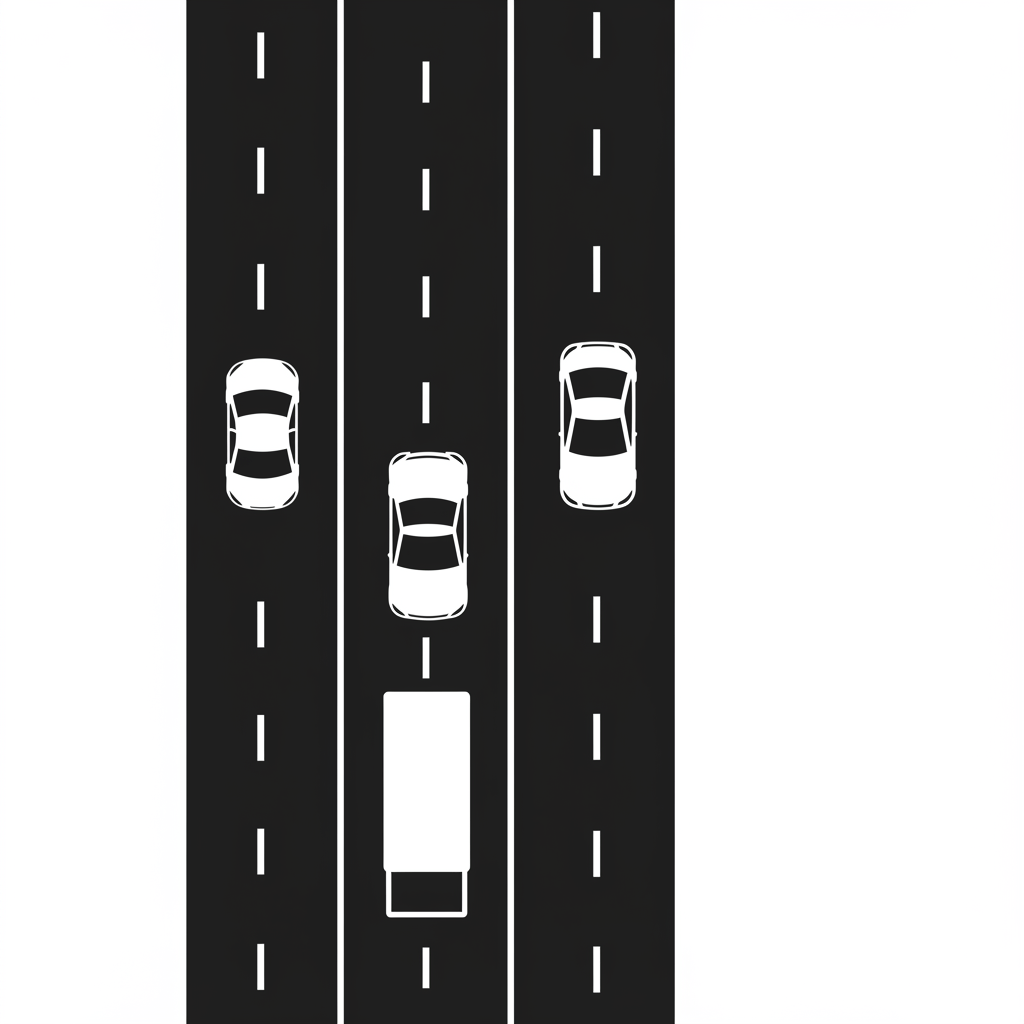
In athletics, we operate on a four-lane highway: Players, Coaches, Parents/Fans, and Officials. When everyone maintains their appropriate role, the program advances smoothly. When boundaries blur, collisions occur. At higher levels of the game, a fifth lane emerges: Agents.
This delicate balance between roles came to mind while listening to NFL draft coverage. Take Deion Sanders—an NFL legend, successful coach, and by all accounts, a devoted father. When he stepped partially into that agent lane while advocating for his son during the draft process, it raised questions about whether crossing boundaries helped or hindered his son’s prospects.
The challenging reality is that growth happens at boundaries. Educational theorists call this the “zone of proximal development”—that space just beyond our comfort zone where real progress occurs. Jeff Bezos frames decision-making in terms of “one-way doors” versus “two-way doors.” Two-way doors allow us to return if our risk doesn’t pay off; one-way doors represent irreversible decisions requiring greater caution.
So when should we venture beyond our lane? Consider these questions:
• Is this a two-way door that allows for recovery if things go wrong?
• Do I bring legitimate value to this new territory?
• Have I consulted those who will be affected by my lane change?
Football teaches us that disciplined execution within assigned roles creates team success, but it also rewards calculated risk-taking at the right moment. The most memorable plays often come when someone recognizes the perfect moment to break pattern… not recklessly, but with purpose.
Sometimes greatness requires changing lanes. Other times, staying put demonstrates wisdom. The difference lies not in the action itself, but in the judgment behind it.
Coach Rich Alercio is available to discuss coaching philosophy, X’s & O’s, or teach his O-Line “techniques in the trenches.” Contact Coach at richalercio@gmail.com and share http://www.olineskills.com with your colleagues and friends. Thanks for supporting this blog and joining our conversations, and as always, thanks for your time!
 O Line Skills