Following this season’s success, I have had a number of conversations with questions along recurring themes and thought it might be useful to share them here…
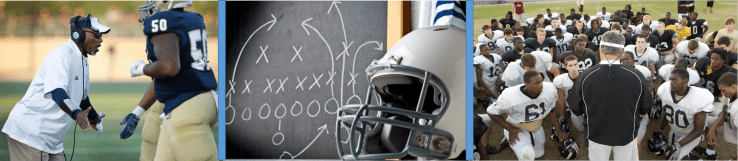
Q: How do you feel about being voted coach of the year by your fellow coaches around the state?
A: I am humbled and grateful for the recognition from my peers. Further, the outpouring of support, thanks, and congratulations from parents, former players, colleagues and members of our community has been remarkable. That all having been said, our success is a reflection of the hard work, dedication, and commitment displayed individually and collectively by our team, staff, and school. While I’m pleased with this year’s success, the real prize is the chance to witness longer term success of our players and program.
Q: Did you ever think you would find yourself a State Championship Coach and Coach of the Year at St Johnsbury Academy after your challenges at Castleton State?
A: One of my former players at the Academy texted me the day of the state championship game and reminded me of the first motivational speech I gave prior to my first game at St Johnsbury. I shared with the players, “I do not know why I am here coaching this team, but I know there is a reason, and that God has a plan…” He finished the text by stating, “Tonight is the reason.” I’ve been the beneficiary of an extraordinary group of teachers, coaches, and mentors who saw potential and invested in me. One way or another, I’ve always felt it important to return the favor and invest in others and leave a legacy far more important than wins and losses.
Q: What’s next…Are you headed back to the College Coaching Ranks?
A: The opportunity to coach these kids, two of my sons, and bring a state championship to this community, has been the most rewarding experience of my life. I feel extraordinarily privileged to have this opportunity and plan on making the most of it. What’s next…? Preparing for next season… In fact, I just published a blog about a coach’s responsibilities for closing out the season and kicking off preps for next year. You can read it at www.olineskills.com.
Additionally, I’d like to share a recent PodCast I did with Coach Keith Grabowski on “The Coach and Coordinator Podcast.” We go in-depth on lessons learned from the 2017 season and you can listen here: Coach Alerio on The Coach and Coordinator Podcast, or via your favorite podcasting app.
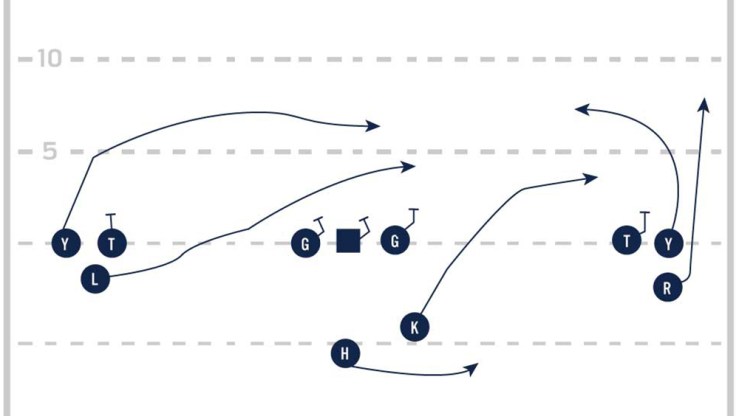
Lastly, I’ll be publishing my upcoming list of clinics (January and February) where I’ll be speaking live on many of the topics covered here as well as diving deep into the X’s and O’s, and we’ll have brochures ready for the 2018 Alercio O-Line Clinics.
Coach Rich Alercio is available to discuss team building, coaching philosophy, X’s & O’s, or teach his O-Line “techniques in the trenches.” Contact Coach at richalercio@gmail.com and share http://www.olineskills.com with your colleagues and friends. Thanks for your time!

 Dystrophy. I’m happy to report the program was successful both nationally and locally. It was great to see coaches on our sidelines sporting the Coach to Cure MD patches on their shirts, and equally exciting to see Division I coaches on TV wearing the same patches and supporting the same cause. Organizations at all levels raised funds and awareness, and I’m proud of our team’s efforts both on and off the field to support such a worthy program.
 partnership between the American Football Coaches Association (AFCA) and Parent Project Muscular Dystrophy (PPMD). The AFCA was drawn to this cause because of the unique parallels between Duchenne muscular dystrophy, a disorder which robs young men of precious muscle strength, and football, a game where young men are at the peak of their muscular strength.
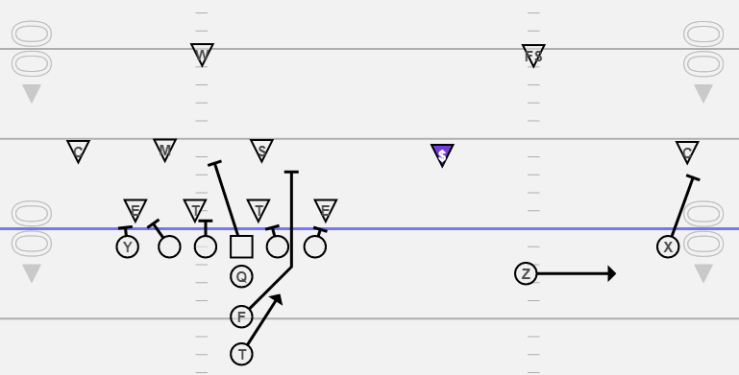
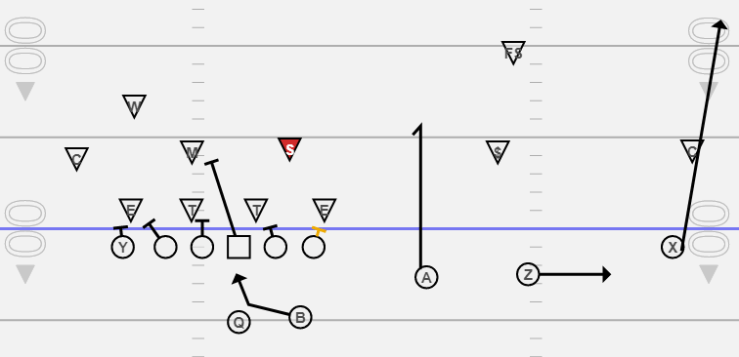
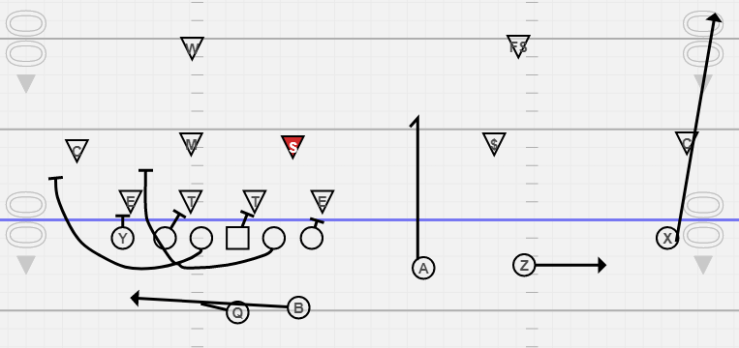
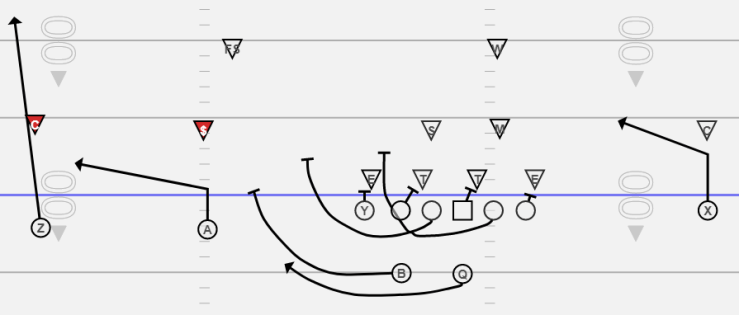
 During the grading process, we recognize the importance of providing positive reinforcement for desired outcomes through awards and recognition for individuals and position groups.
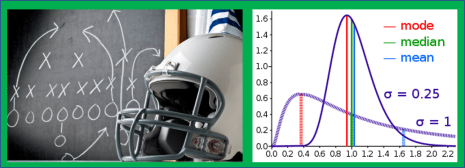 averages and efficiency percentages for run plays to determine when, where and if they should be included in next week’s game plan. We do the same for pass plays based on efficiency percentage, completion percentage, yards per completion and yards per attempt.
 We then analyzed game data to determine how much practice time should be committed to the following situations: Redzone, Goalline, Coming Out, 2-Minute, 4-Minute, On Schedule, 3rd Downs, 2nd & Short, 2nd and Long and 4th Down.
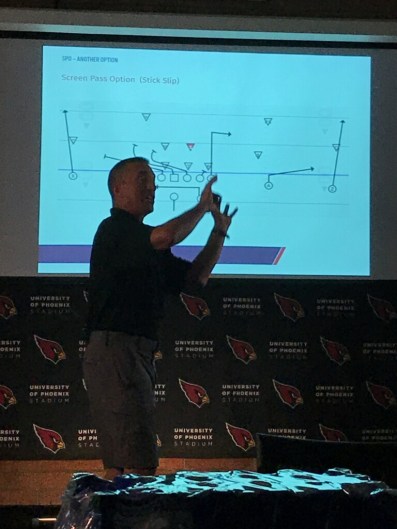
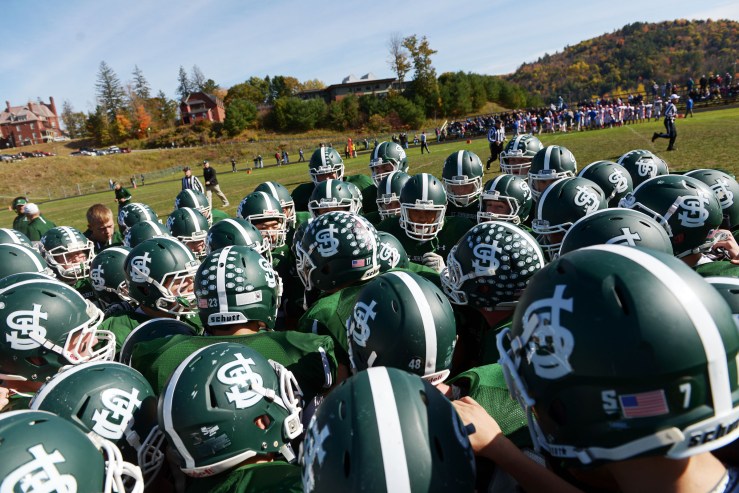 Continuing the conversation on my recent trip to Phoenix…
 Then we focused on understanding the millennial generation we now coach. Generations are shaped by the circumstances and philosophies surrounding their upbringing. If you are a Baby Boomer, you were likely shaped by the prosperity of the Post War Years and the Civil Rights Movement and raised by a working dad and stay at home mom. If you are used to coaching Generation X who were shaped by the Cold War and raised as latch key kids with two working parents. You may not understand today’s generation without taking a step back and considering the view from their perspective. The Millennial generation are shaped by the events of 9/11 and the War on Terror. Many of them spent their early childhood in daycare and are now raised by helicopter parents. Their goals and aspirations are shaped by their experiences, and as leaders, we need to understand how those factors affect perspective and motivations if we are to help them maximize their potential and performance.
 Both a Marine Corps unit and a high school football team go through the phases of Forming, Storming, Norming and Performing. Nobody trains teams like the Marines, and by studying their model, we can reinforce our coaching success.
 O Line Skills