How we do things matters more than what we do.
As teams across the country report to training camp, they will all run drills, lift weights, install offenses, teach defenses, and develop special teams. The what of football is remarkably similar from one program to the next. The difference between average programs and exceptional ones is rarely found in what they do. It is found in how they do it.
Culture is built in the details.

Two teams can run the exact same drill. One jogs from station to station, goes through the motions, and waits for the whistle to end the rep. The other sprints between stations, finishes through the echo of the whistle, encourages teammates, and demands excellence from one another. The drill is identical. The outcome is not.
The standard is never the drill itself. The standard is how the drill is executed.
Successful programs understand that excellence is a habit. It doesn’t magically appear on Friday nights. It is developed in practice, in the weight room, in the classroom, and in every repetition. We communicate. We compete. We finish. We pay attention to details. We hold one another accountable. Those habits become our identity.
Anyone can build impressive facilities, purchase the latest technology, or install the newest offensive or defensive scheme. Those are resources—not culture. Culture is built through consistency. It is refusing to cut corners. It is doing the little things right when no one is watching. Every action either reinforces the standard or erodes it.
Our philosophy is simple: games are not won on Friday nights. They are won in the thousands of decisions players make long before kickoff—decisions about effort, discipline, preparation, attitude, and accountability.
When players fully embrace how we do things, the what becomes far less important. Whether we’re running a fundamental drill for the hundredth time, studying film, lifting weights, or practicing indoors on a rainy day, our standard never changes.
We work hard.
We work smart.
We are tough.
Long after our players forget the plays they ran or the drills they completed, they will remember the standards they lived by. More importantly, those standards will continue to shape them as students, leaders, husbands, fathers, coworkers, and members of their communities.
That is why how we do things will always matter more than what we do.
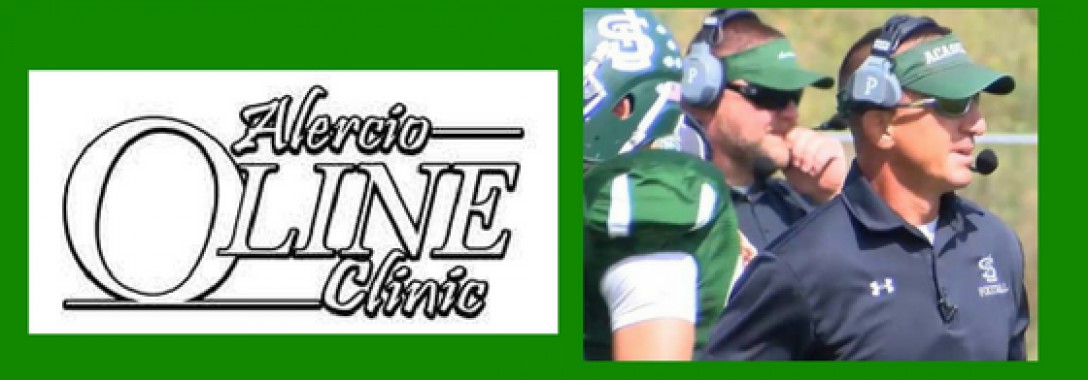
Coach Rich Alercio is available to discuss coaching philosophy, X’s & O’s, or teach his O-Line “techniques in the trenches.” Contact Coach at richalercio@gmail.com and share http://www.olineskills.com with your colleagues and friends. Thanks for supporting this blog and joining our conversations, and as always, thanks for your time!
 O Line Skills