Now that training camp and game #1 are behind us, I have some time to get back to the blog. Thankfully this summer’s preparation was time well spent. I’m proud of the way our student athletes made individual and collective contributions to the team both on and off the field. We focused on the fundamentals, practiced hard, and closed pre-season physically and mentally ready. We opened our season on the road against the team that beat us in the 2016, Vermont Division I State Championship and came away with a 22-19 win. Tough opener but it did provide great motivation and a point of focus for our players through summer OTAs and Training Camp.
Going for 2 was the difference in this year’s game. We converted 2-of-3, 2-point conversions and they made only 1 extra point. In some programs, it wouldn’t be uncommon to see a coach take credit for what some would consider a “gutsy call.” On the contrary, those calls were based on our players’ hard earned confidence in themselves and belief in each other as teammates.
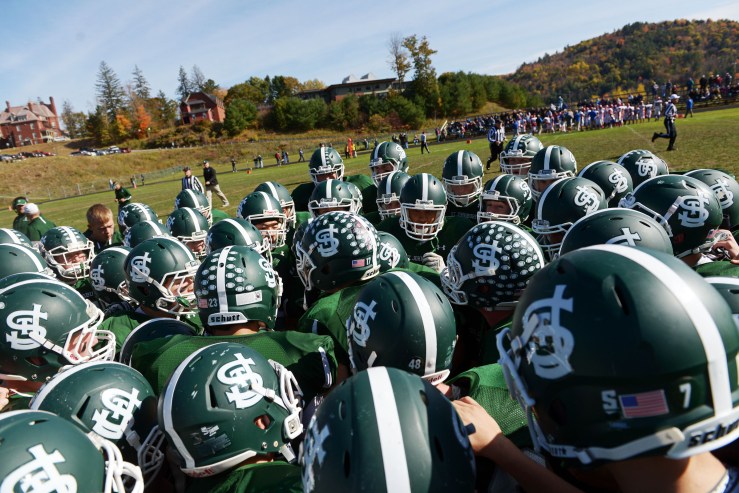
After the game, several reporters approached me to request interviews with our quarterback, who had over 100 yards rushing, 100 yards passing, two touchdowns, and two 2-point conversions, and our running back who had over 100 yards rushing and a touchdown. After setting up the interviews, one of my senior offensive linemen who had a stellar game both offensively and defensively with 3 pancake blocks, a sack, a tackle for a loss and a blocked extra point, came up to me and said that they are interviewing the wrong guys. He was so right. Football is a game of interdependence. Teams, families, companies all find themselves depending on one another. Inevitably some get credit, some get blame, and in time history settles on its version of what actually happened.
Though the local paper may recount the story through a reporter’s lens, we’ll grade the game film recognizing both the things we did well and the things we can do better. Each player will know how he contributed, and it is my sincere hope each will find ways to recognize those who played to their potential regardless of the media’s perspective. But in the end, each has to reconcile with their own conscience earning and affirming self respect and satisfaction born of knowing they selflessly gave their very best.
With that in mind, I share a great article featured at footballscoop.com that my assistant head of school forwarded to me entitled “The 6 most important life lessons you learn by playing offensive line.”
http://footballscoop.com/news/6-life-lessons-learn-playing-offensive-line/
Coach Rich Alercio is available to discuss team building, coaching philosophy, X’s & O’s, or teach his O-Line “techniques in the trenches.” Contact Coach at richalercio@gmail.com and share http://www.olineskills.com with your colleagues and friends. Thanks for your time!
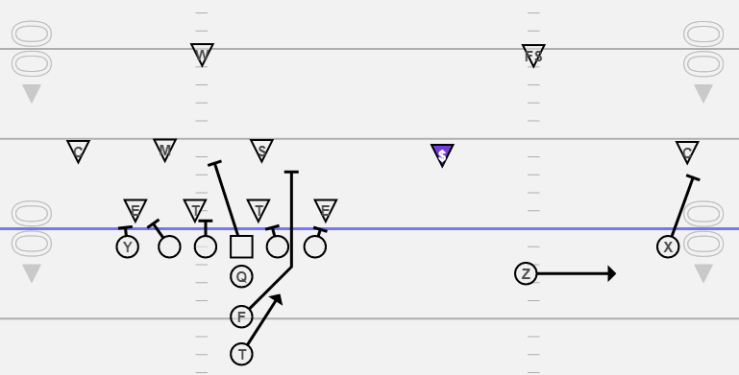
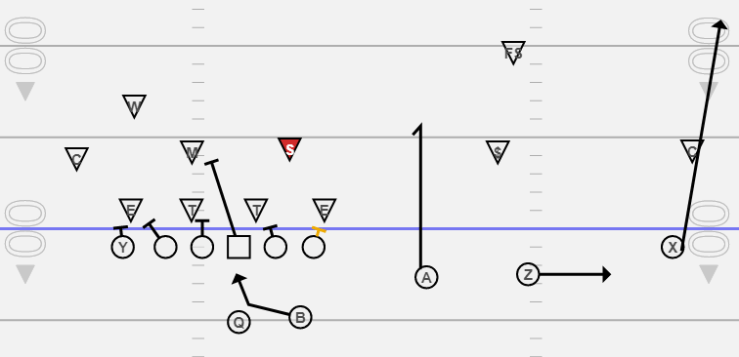
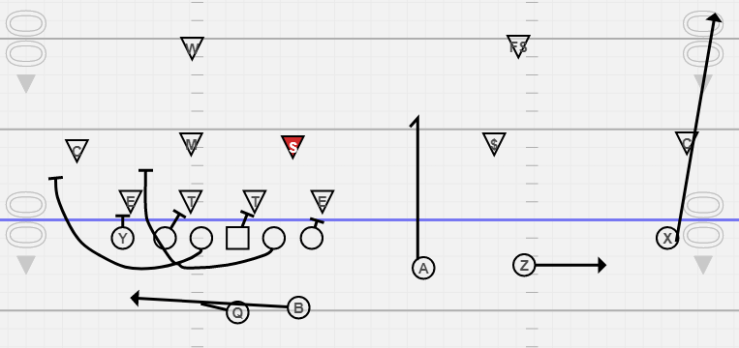
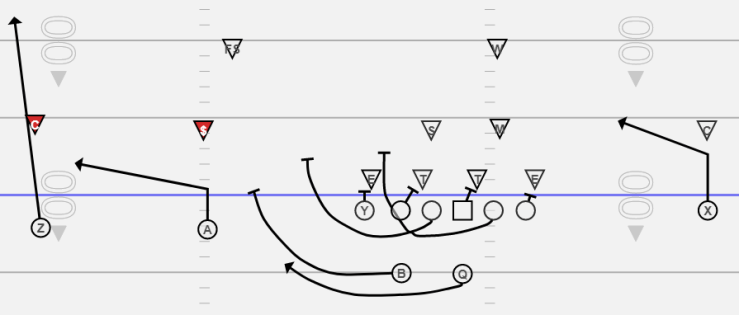
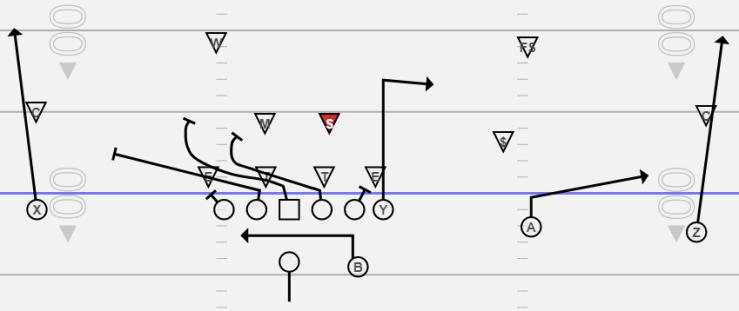
 During the grading process, we recognize the importance of providing positive reinforcement for desired outcomes through awards and recognition for individuals and position groups.
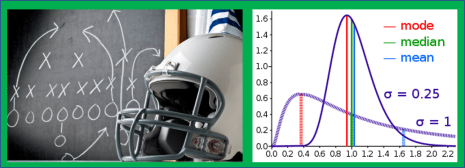 averages and efficiency percentages for run plays to determine when, where and if they should be included in next week’s game plan. We do the same for pass plays based on efficiency percentage, completion percentage, yards per completion and yards per attempt.
 We then analyzed game data to determine how much practice time should be committed to the following situations: Redzone, Goalline, Coming Out, 2-Minute, 4-Minute, On Schedule, 3rd Downs, 2nd & Short, 2nd and Long and 4th Down.
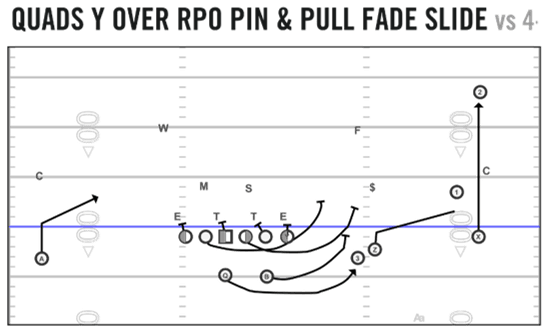
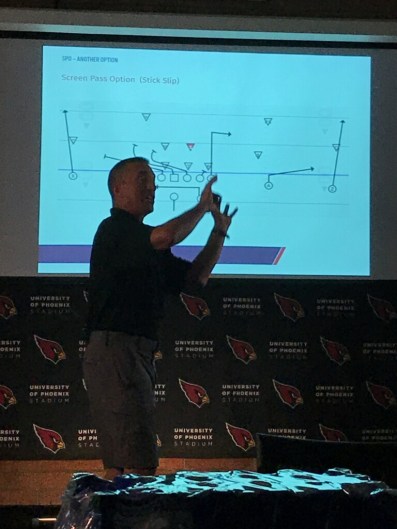
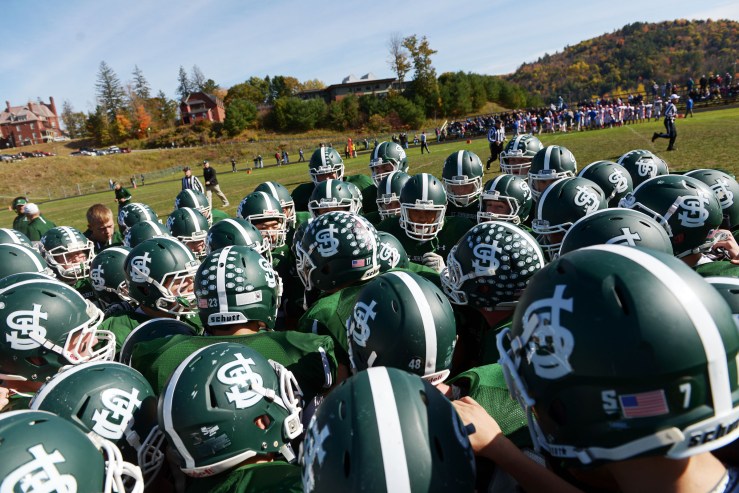 Continuing the conversation on my recent trip to Phoenix…
 Then we focused on understanding the millennial generation we now coach. Generations are shaped by the circumstances and philosophies surrounding their upbringing. If you are a Baby Boomer, you were likely shaped by the prosperity of the Post War Years and the Civil Rights Movement and raised by a working dad and stay at home mom. If you are used to coaching Generation X who were shaped by the Cold War and raised as latch key kids with two working parents. You may not understand today’s generation without taking a step back and considering the view from their perspective. The Millennial generation are shaped by the events of 9/11 and the War on Terror. Many of them spent their early childhood in daycare and are now raised by helicopter parents. Their goals and aspirations are shaped by their experiences, and as leaders, we need to understand how those factors affect perspective and motivations if we are to help them maximize their potential and performance.
 Both a Marine Corps unit and a high school football team go through the phases of Forming, Storming, Norming and Performing. Nobody trains teams like the Marines, and by studying their model, we can reinforce our coaching success.